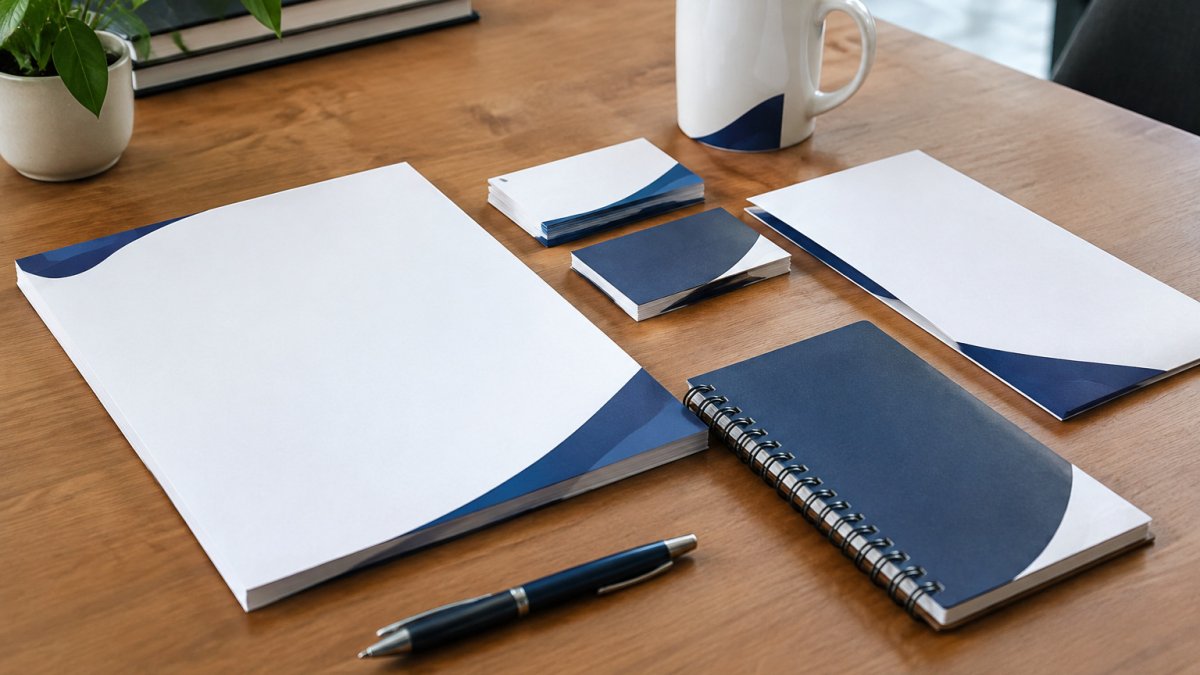
 How-to
How to Choose Eco Friendly Marketing Materials for Printing
Last Updated: November 8, 2026
Quick Summary
Choose eco friendly marketing materials by focusing on three choices: the paper, the ink, and the amount you waste. Pick recycled or FSC-certified stock, uncoated or lightly coated finishes, and plant-based or water-based inks, then right-size your print run to cut offcuts.
- Judge any printed item across five stages: fibre sourcing, manufacturing and energy, transport, use, and end-of-life.
- High-volume flyers suit lighter uncoated recycled stock of 100-130 gsm.
- Brochures and business cards suit heavier uncoated recycled board of 300-400 gsm.
- Ask for FSC chain-of-custody details and the recycled-content percentage before ordering.
- Print one test batch before a full run and keep bleed and trim sensible to avoid offcuts.
Table of Contents
- What Makes Printed Marketing Materials Eco Friendly
- Recycled Paper Printing and the Uncoated Paper Benefits That Cut Impact
- FSC-Certified Paper Printing and Print Marketing Waste Reduction
- Frequently Asked Questions
What Makes Printed Marketing Materials Eco Friendly
Eco friendly marketing materials printing comes down to three choices: the paper, the ink, and the amount you waste. This guide walks through each one so you can order with confidence.
Eco friendly marketing is a set of decisions made before anything goes on press. Judge any printed item across five stages: fibre sourcing, manufacturing and energy, transport, use, and end-of-life.
- Recycled or responsibly sourced paper. Look for post-consumer waste content and FSC-certified stock, and ask for the chain-of-custody certificate number.
- Uncoated or lightly coated finishes. They skip plastic-heavy lamination that blocks standard paper recycling.
- Plant-based or water-based inks. Ask whether the press uses vegetable-oil or water-based inks.
- Right-sized print runs. Standard sizes and sensible bleed reduce offcuts.
- Design for end-of-life. Avoid mixed materials unless you have confirmed a take-back route.
Watch out: many "eco" ranges are uncoated inside but plastic-laminated outside, ruling out standard paper recycling. Check the finish, not just the stock.
Recycled Paper Printing and the Uncoated Paper Benefits That Cut Impact
Recycled paper printing uses post-consumer waste to make new stock. Uncoated paper skips the sealant layer, so it recycles far more easily and avoids the plastic film coated stocks carry.
- Define the job. A flyer must be light and cheap to post; a brochure must survive handling; signage needs rigidity.
- Match the stock. High-volume flyers suit lighter uncoated recycled stock (100-130 gsm); brochures and business cards suit heavier uncoated recycled board (300-400 gsm).
- Choose the finish for end-of-life. Uncoated and water-based coated stocks are generally easier for standard recycling; avoid film lamination.
- Check certification and content. Ask for FSC chain-of-custody details and the recycled-content percentage. The FSC framework sets the chain-of-custody standard.
- Confirm cost and minimums before artwork. Get a written quote separating stock, print, and finishing.
Trade-offs are real: uncoated recycled stocks can show more show-through, vary in shade between batches, and be less forgiving on tight registration. Reducing ink coverage and choosing a slightly heavier stock solves most of these without laminate. Because heavier stock can reduce show-through but still needs to suit the job, Marcus Brown’s advice on paper weight can help keep that trade-off in view.
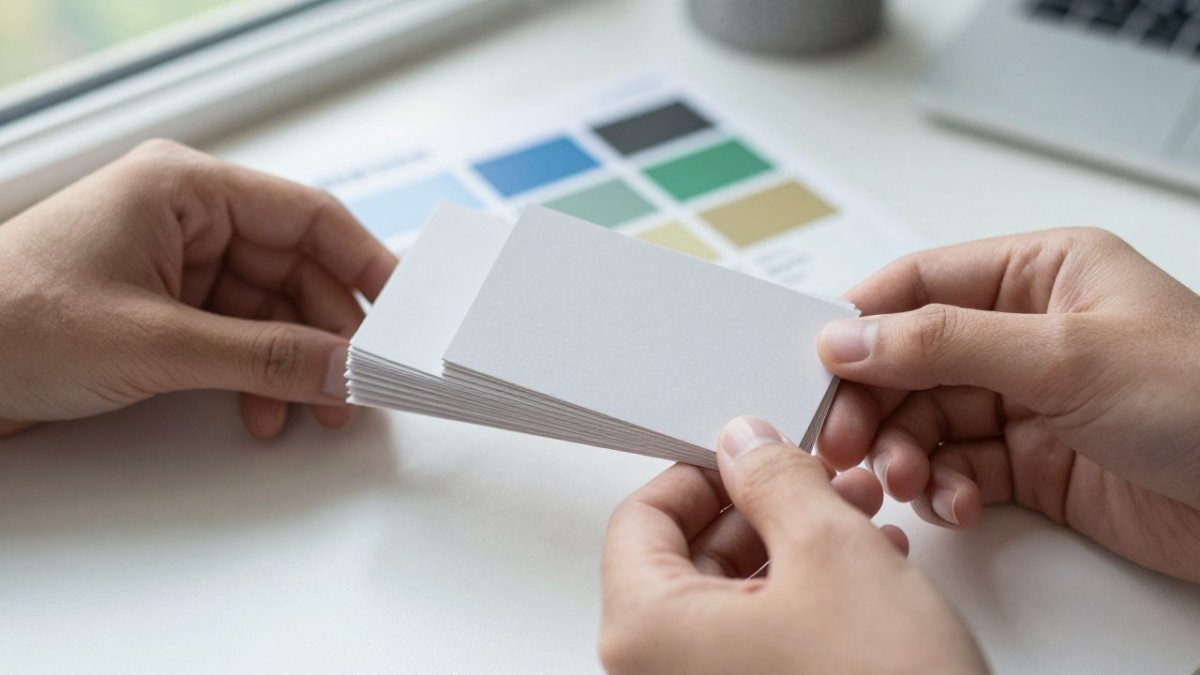
Browse paper stocks and materials and ask for a physical swatch and printed sample before a full run.
Match the stock to the job with these weight guidelines from the article.
| Print job | Suggested stock | Weight |
|---|---|---|
| High-volume flyers | Lighter uncoated recycled stock | 100-130 gsm |
| Brochures | Heavier uncoated recycled board | 300-400 gsm |
| Business cards | Heavier uncoated recycled board | 300-400 gsm |
Weight
FSC-Certified Paper Printing and Print Marketing Waste Reduction
FSC-certified paper printing means the fibre is traced back to responsibly managed forests, the clearest proof you can offer a client or procurement team.
Reducing marketing waste starts with planning: order what you need, use standard sizes, and skip the laminate.
- Print one test batch before a full run
- Keep bleed and trim sensible to avoid offcuts
- Choose uncoated so leftovers can be recycled
You can order leaflets and business cards on certified stock, and browse classic flyers for everyday campaigns.
For a reusable promotional option, cotton tote bags replace single-use bags entirely.
Choosing greener print does not mean guessing. Decide on your stock, ink, and run size first, and the rest follows. At Print Brain, we offer sustainable printing with eco-friendly materials, free artwork checks, and bespoke quotes, backed by fast, reliable delivery. Get started with Print Brain and print marketing collateral you can stand behind.
Frequently Asked Questions
What makes printed marketing materials eco-friendly?
Four things decide it: the paper stock, the ink, the finishing, and how much you print. Recycled or FSC-certified stock made from post-consumer waste lowers the demand for virgin fibre. Water-based or plant-based inks reduce the chemical load. Avoiding lamination and foil keeps items recyclable at end of life. Printing only what you will actually distribute cuts waste before it starts. Ask your printer which of these they can evidence, not just claim.
Is recycled paper better for the environment than virgin paper?
Usually yes, because it diverts post-consumer waste from landfill and needs less energy and water than making paper from fresh timber. The gain depends on the recycled content and the mill's energy source. Look for a stated percentage of post-consumer waste rather than a vague recycled label, and check whether the stock is also FSC-certified so the virgin portion is responsibly sourced.
How can businesses reduce waste when ordering eco friendly marketing materials?
Order in realistic quantities tied to a campaign date, not a bulk discount. Use design choices that cut material: smaller formats, lighter paper weights where durability allows, and no glued pockets or plastic windows. Keep a small overs run for replacements instead of a large one. At end of life, check your local council's rules, since coated and laminated items often cannot go in household recycling.